Born in Liverpool on 17 August 1926, the musician, writer and entertainer George Melly had a long connection to the Bluecoat and, to mark what would have been his centenary this month, we remember this association, which started during the arts centre’s early years.
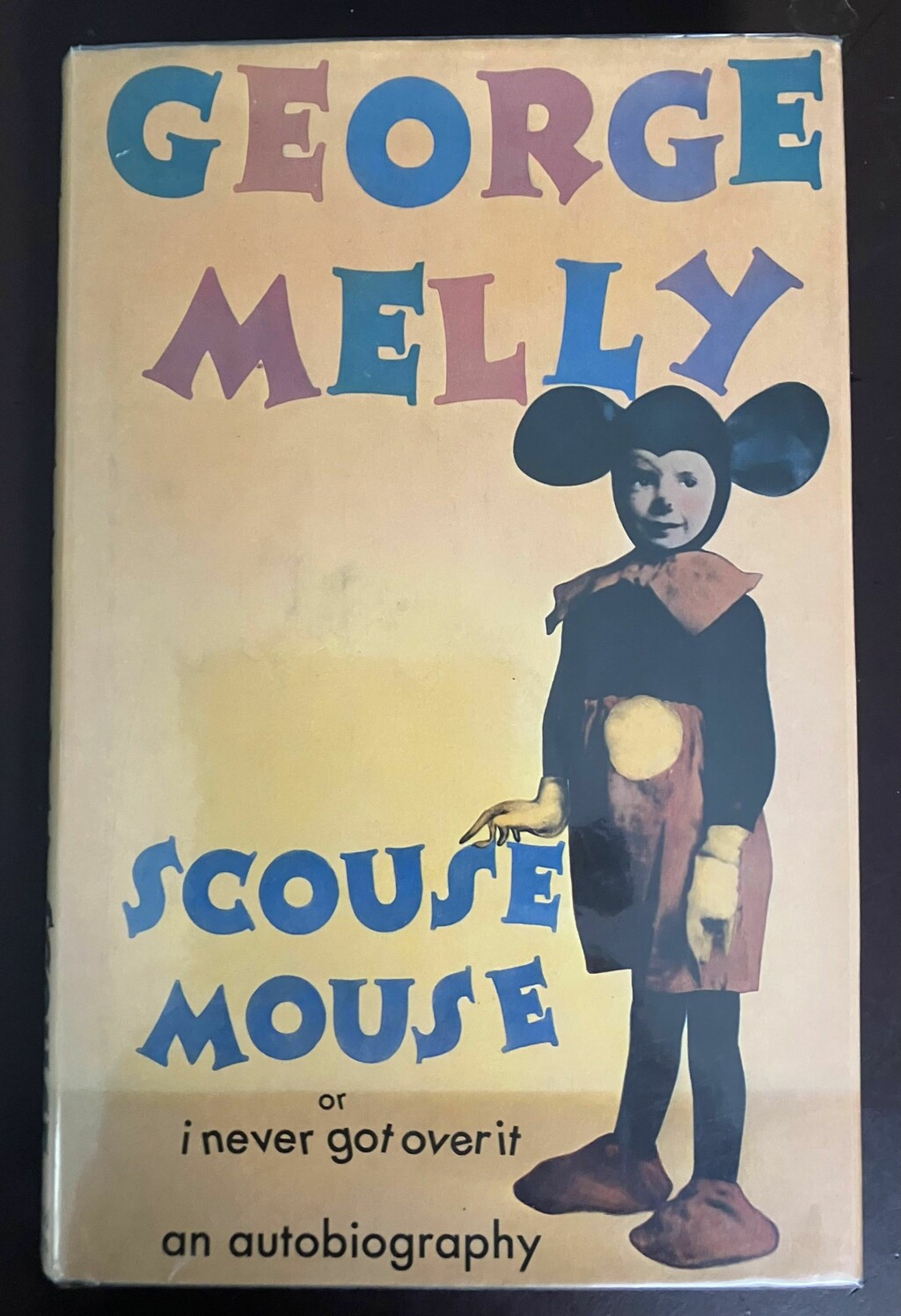
Many will know Melly from television appearances such as a panellist in the art game show Gallery, as film critic for The Observer, as bawdy blues vocalist on the British revivalist jazz scene, or as a writer and cultural commentator. His books included Revolt into Style: The Pop Arts in Britain, and a trilogy of autobiographies: Owning Up, followed by Rum, Bum and Concertina, and Scouse Mouse. In this final book, Melly vividly recalls his Liverpool childhood, including a chapter that brings to life the Sandon Studios Society in the 1930s.
This was his introduction to bohemia:
"The Sandon is so much a part of my very early memories that it is hard for me to think of it as a real place. It has the mythical precision of the stories of Beatrix Potter. It carried an aura of immense sophistication."
The Sandon began life as a group of art students who’d broken away from University College Liverpool’s Department of Applied Art in 1905 after it merged with the Municipal Art School. Having been taught by the charismatic painter Augustus John and other forward-looking tutors, the young artists shunned the more traditional teaching on offer at their course’s new home. In order to pursue ‘free art’, they set up their own studios which, in 1907, occupied rooms at the vacant Bluecoat building after the charity school moved, after nearly 200 years, to larger premises.
As a society, the Sandon extended its membership beyond artists to include people interested in the arts, developing the Bluecoat into a cultural hub for Liverpool, with adventurous programmes including two Post-Impressionist exhibitions in 1911 and 1913 that featured work by Picasso, Matisse and other leading European modernists. The Sandon enlivened the city’s social life through a dining room, where significant artists and cultural players such as George Bernard Shaw and Stravinsky, signed the visitors’ book and there was a lively programme of cabarets, theatrical productions, and parties.
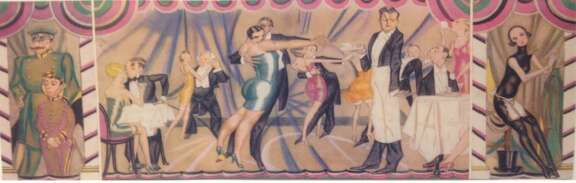
Melly, aged about five, was brought to one of the Sandon’s children’s fancy dress Hogmanay parties. After an unsuccessful attempt to impress dressed as Douggie Duck, a popular comic strip character in the Daily Mail, he went the following year as Mickey Mouse, to far greater acclaim. And young George in his costume was captured for posterity, the photograph later adorning the cover of Scouse Mouse. The exuberant sartorial style - loud suits and wide-brimmed hats – that later characterised Melly the entertainer, perhaps had its origins in these Sandon parties, which were held in the large, recently refurbished upstairs space, an enormous slide its main attraction. Huge murals painted by Sandon artists adorned the wall in readiness for the evening’s New Year’s Eve ‘bacchanalia’ for the grown-ups. These decorations featured caricatures of Sandon members cast as ‘classical deities or historical figures, and engaged in activities just this side of decency’.
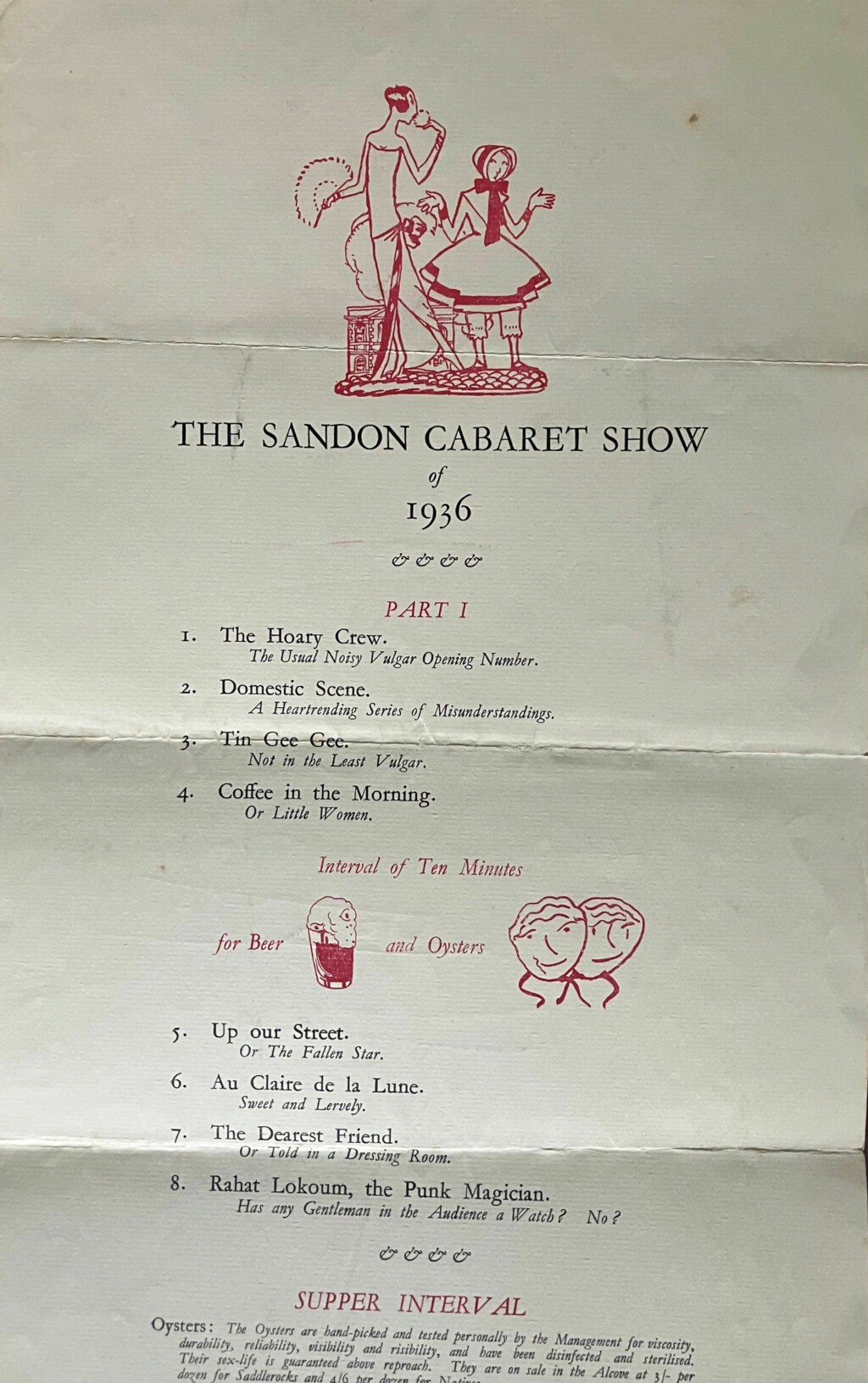
Melly’s parents were heavily involved in the Sandon’s social life and took him to lunch there when in town – ‘a long narrow unlicensed dining room with a stained floor, oak tables and chair and earthenware jugs’ - where he was fascinated by ‘painters and sculptors in their rough tweed suits, blue or rust coloured shirts and knitted ties. It was proof of another world unconnected with business’. He goes on to describe the highlight of his parent’s year, the annual Sandon cabaret, with specially written songs and sketches, many devised by Maud Budden, wife of the University’s Professor of Architecture, Lionel Budden. Known for creating a popular cartoon strip in the Liverpool Echo, ‘Curly Wee and Gussy Goose’, Maud was a prolific writer and organiser and, much like the guiding light in the Sandon’s early years, Fanny Dove Hamel Calder, ensured that entertainment remained at the heart of the society.
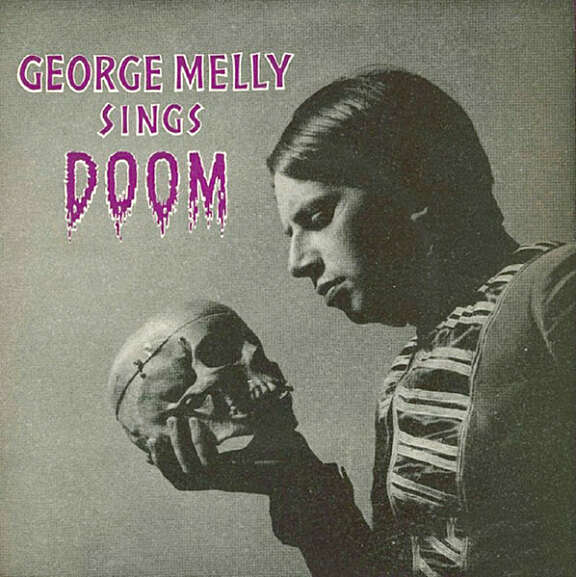
Melly’s career in music, journalism, writing and entertainment took him away from Liverpool but in the 1980s he reconnected with the Bluecoat, becoming Patron of our Friends organisation and returning to the arts centre on several occasions to perform. During a jazz gig in the Concert Hall with John Chilton & the Feetwarmers, the band he fronted for three decades, a local television crew filmed some of the evening and interviewed George in the garden, where he reminisced about his childhood at the Bluecoat. The arts centre had clearly had a profound impact on him, providing a creative grounding and arguably shaping his cultural outlook, as attested to by a letter he wrote in 1984:
"As one whose childhood was enriched by contact with the then Sandon Studios Club and whose initial interest in architecture was stimulated by the beautiful building which contained it, I am delighted to be asked to bring to the attention of the public the renaissance of the building as an amenity and artistic centre. In the painfully depressed Liverpool of today, anything which helps to stimulate pleasure and the signs that life is for living should be carefully nurtured."
Visual art was another important string to Melly’s bow. After the war, he did reviews of contemporary exhibitions for the Liverpool Daily Post and worked for the Belgian Surrealist E.L.T. Mesens at his London gallery. Coming into contact with René Magritte, whose painting 'Le Viol' proved to be a formative influence on his abiding interest in Surrealism. He would later own work by the artist and became an expert on Surrealism, authoring several books including a memoir of Mesens. He lectured on art and gave two spellbinding talks at the Bluecoat, on Magritte in 1981 and Max Ernst in 1984. Three years later he visited the arts centre for a retrospective exhibition of his friend Adrian Henri.
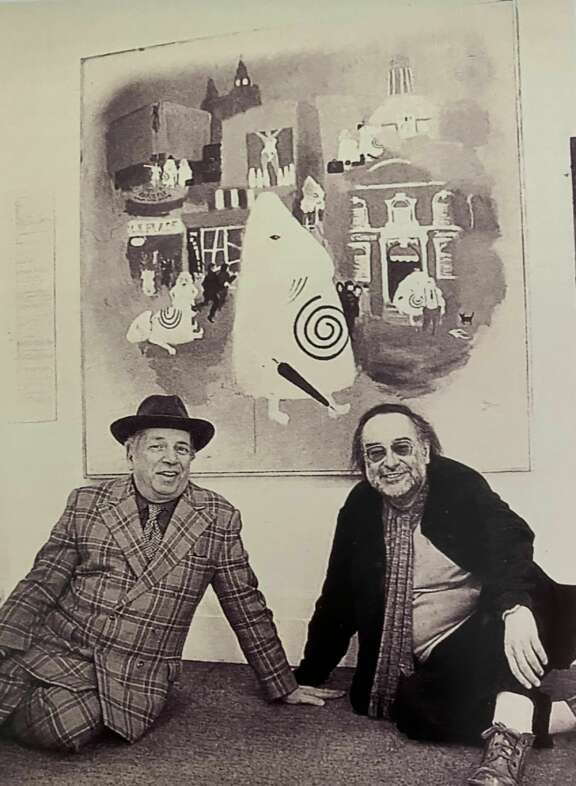
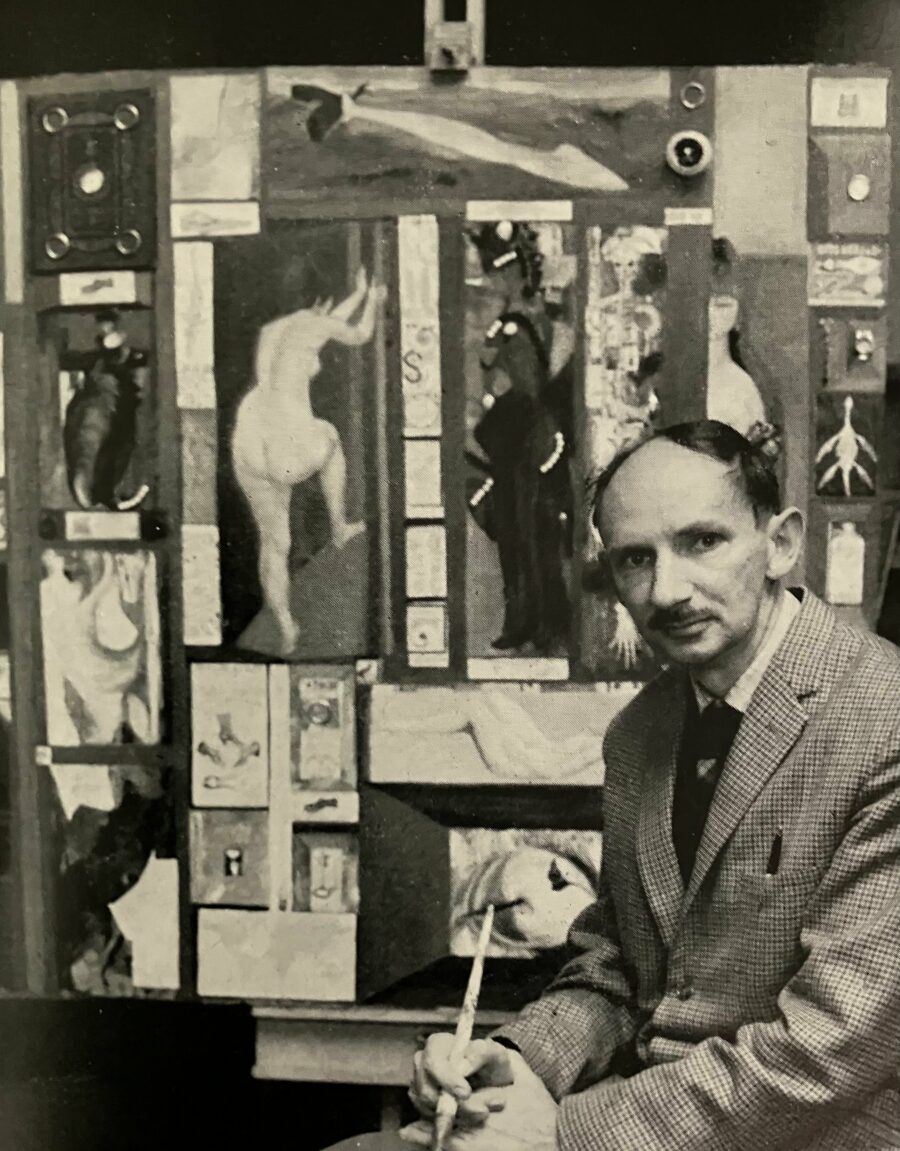
Invited to buy works for the Arts Council Collection, among his purchases was work by three Merseyside artists, Henri, Abraham Newman and George Jardine, the ‘Wallasey Surrealist’, who had a studio at the Bluecoat and had been active in the Sandon since at least the 1940s when Melly first encountered him. In the catalogue to an exhibition of his purchases …a cold wind brushing the temple in 1979, Melly wrote, ‘Jardine’s pictures are unlike anyone else. He owns the key to Treasure Island’.
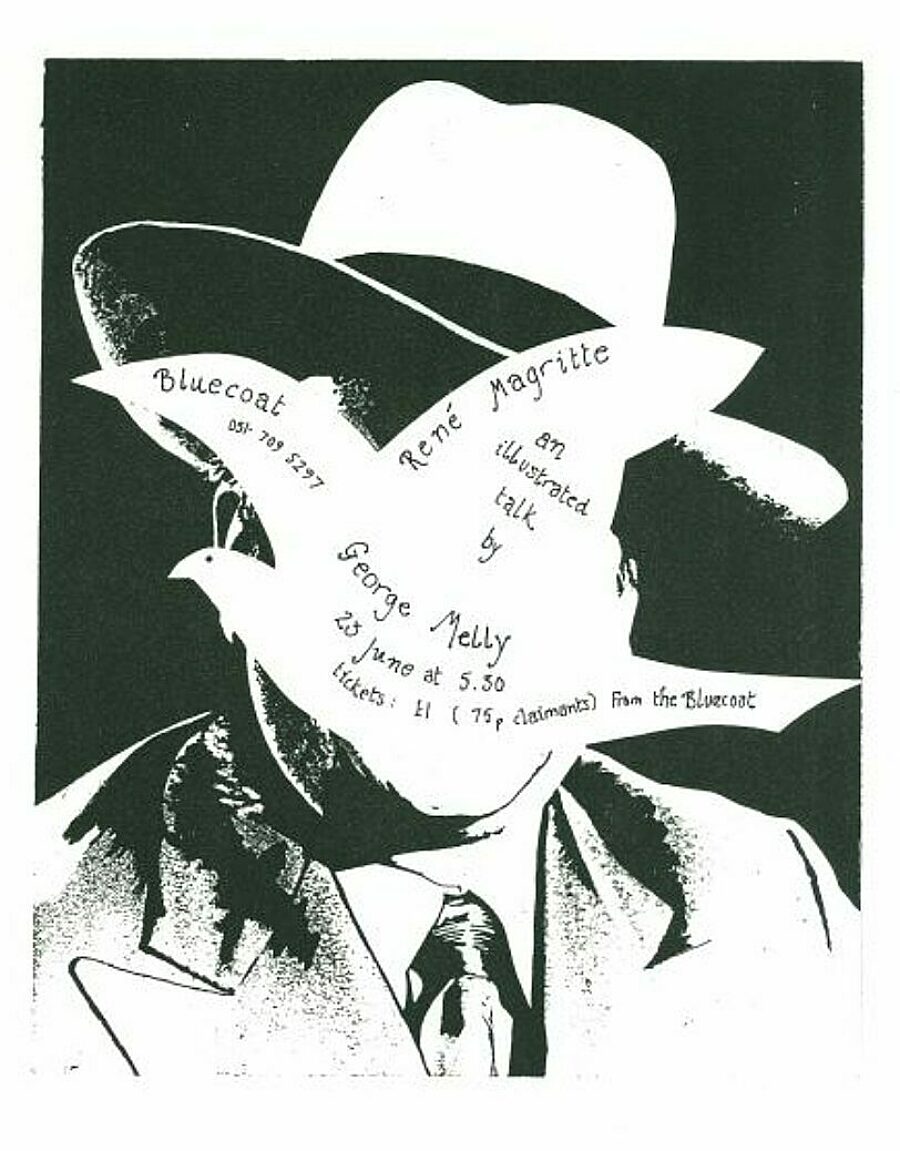
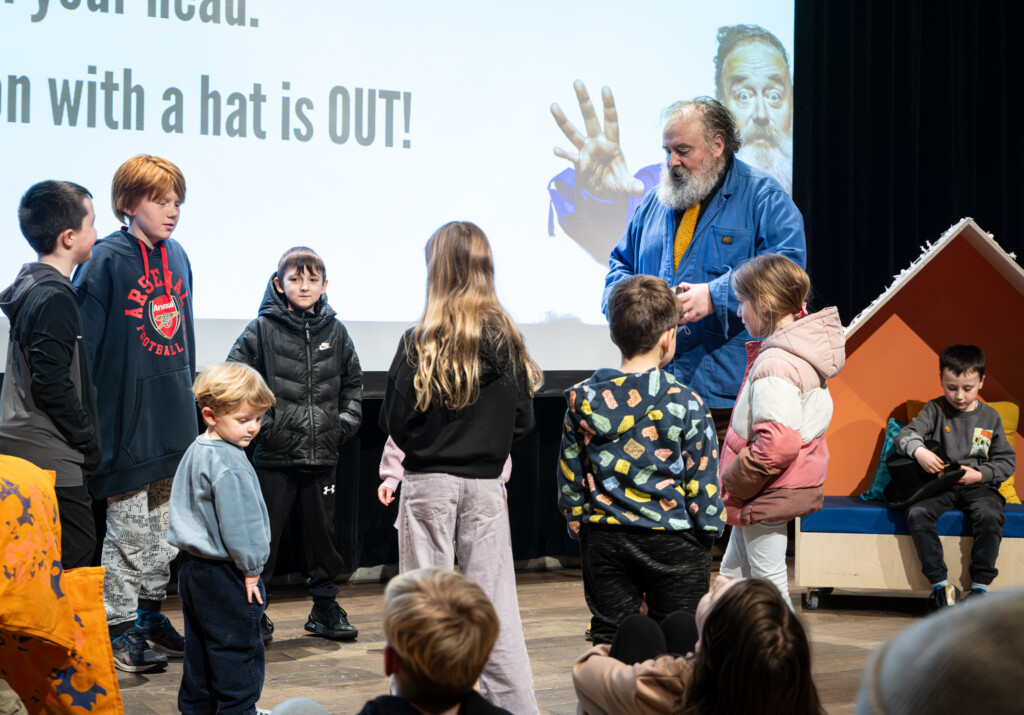
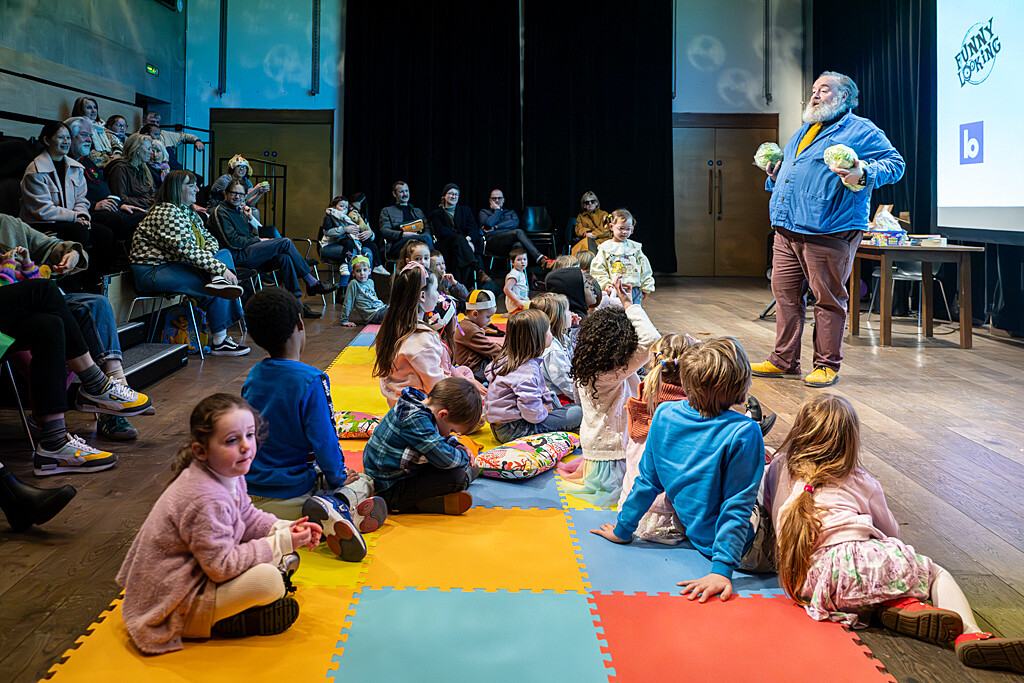
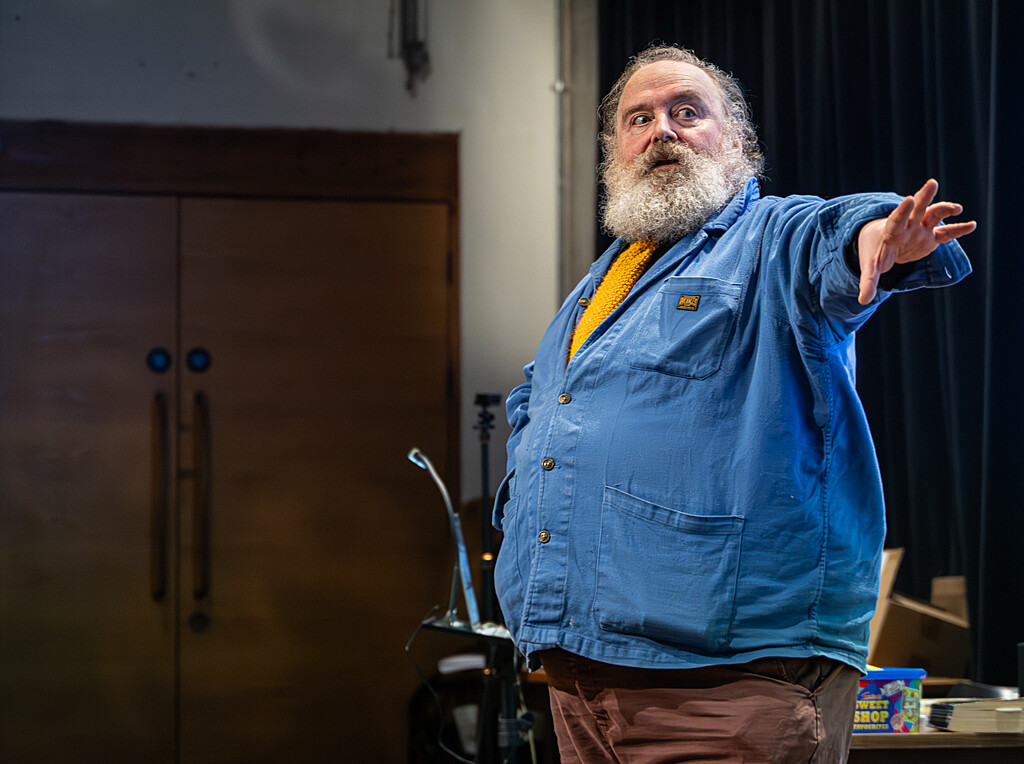
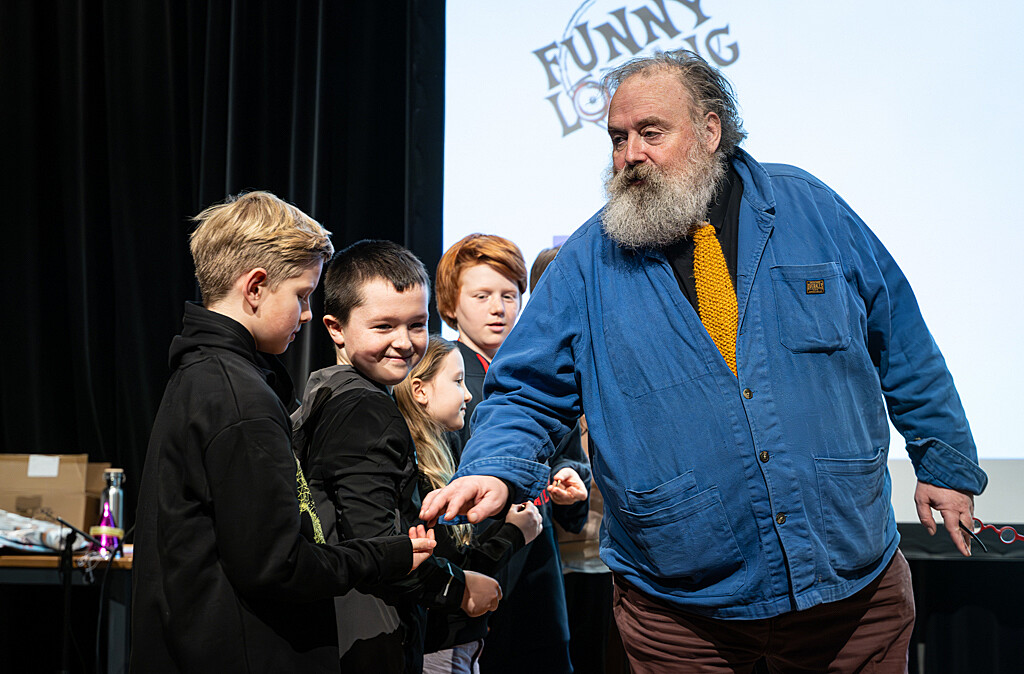
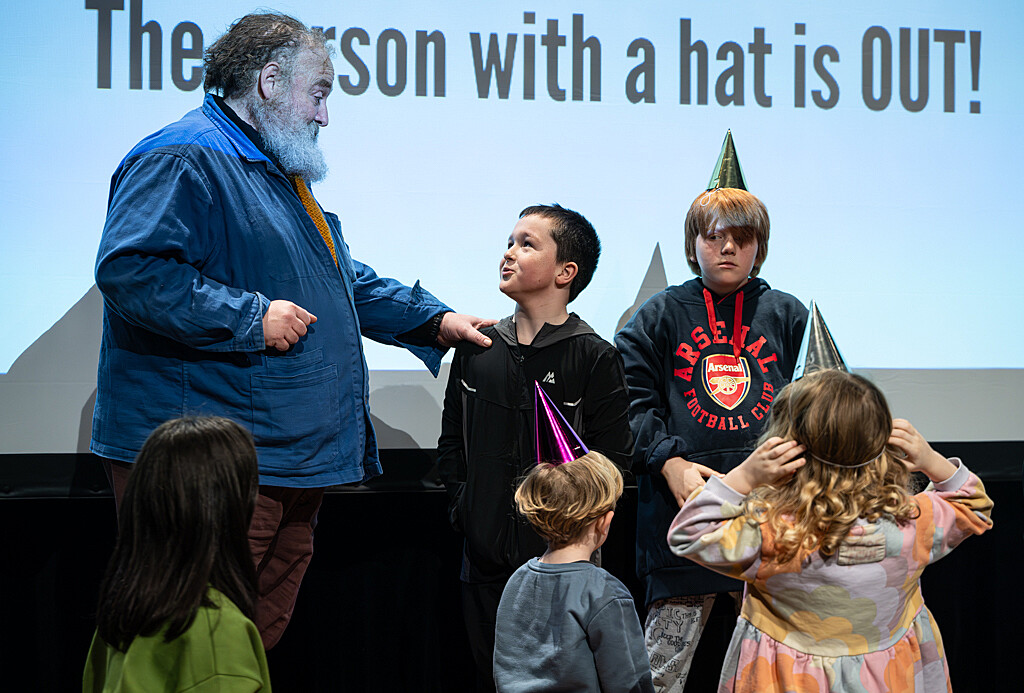
Melly died in 2007 and in 2025, the Bluecoat worked with storyteller Gav Cross to devise a successful family weekend themed around George, inspired by his childhood reminiscences. It was great to see parents and children alike responding enthusiastically to Gav’s gregarious and warm-hearted impression of the man who’d taken his first tentative steps as an entertainer in our building over eighty years before.