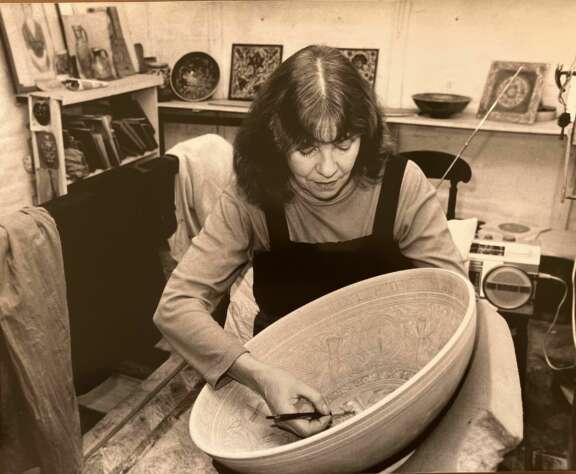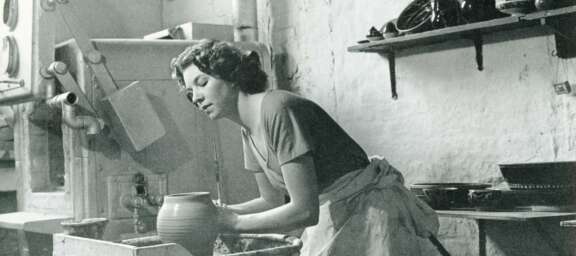
This year, the Bluecoat is one of five venues to celebrate the centenary of the birth of Liverpool artist Julia Carter Preston (1926-2012), who was well known for her distinctive ceramics. The programme, Celebrating Julia Carter Preston, Ceramicist starts on 11 September and also includes a symposium looking at her art and its significance to postwar British ceramics.
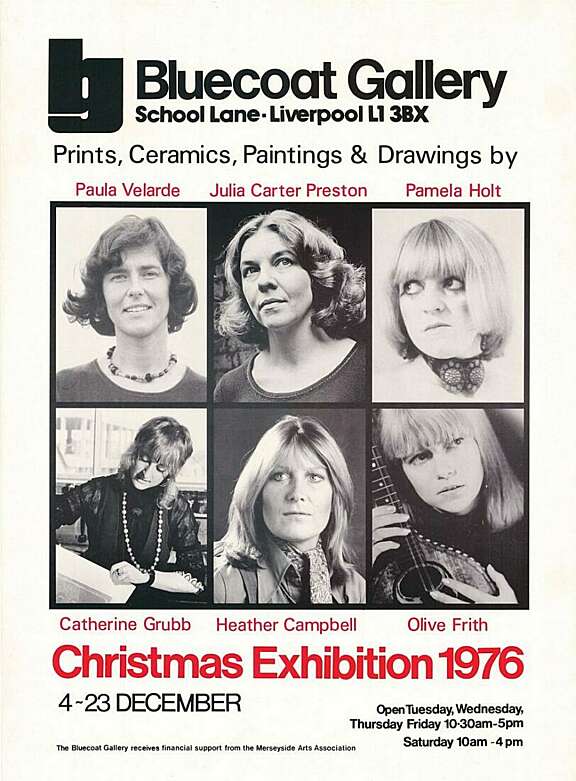
Julia had a long relationship with the Bluecoat, occupying a studio at the venue for some 50 years and exhibiting regularly at the Bluecoat Display Centre, as well as occasionally in shows in our galley. She was commissioned by the Bluecoat several times to make commemorative ceramics.
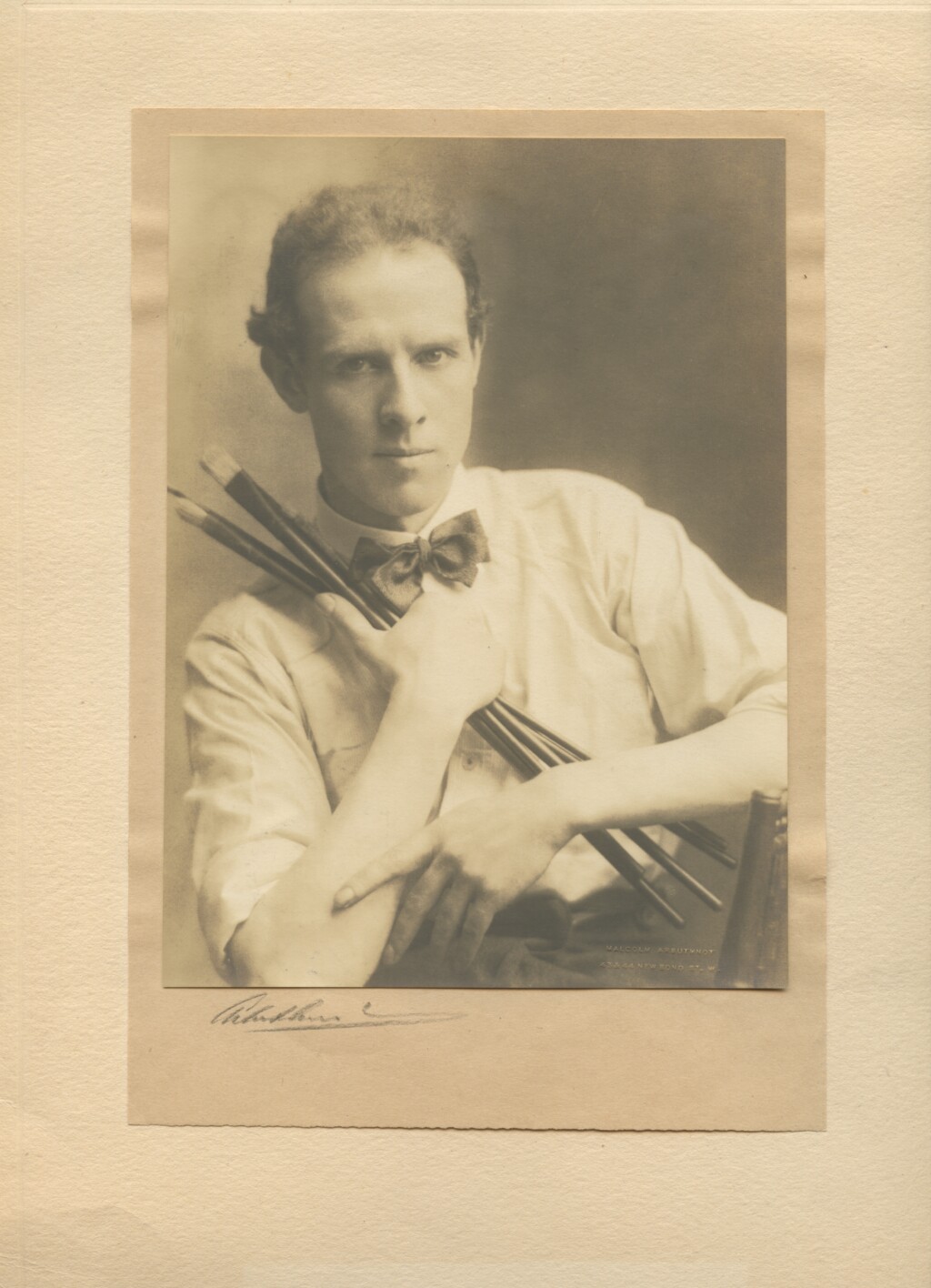
Her association goes back even before she set up her pottery studio overlooking the garden in the 1950s. It was her father, Edward Carter Preston (1885 – 1965) who, as a member of the Sandon Studios Society, was instrumental in establishing the Bluecoat as a home for artists. This group of young art students broke away from University College Liverpool’s School of Applied Arts to create their own independent art school in 1905, moving into the vacant former charity school building in 1907.
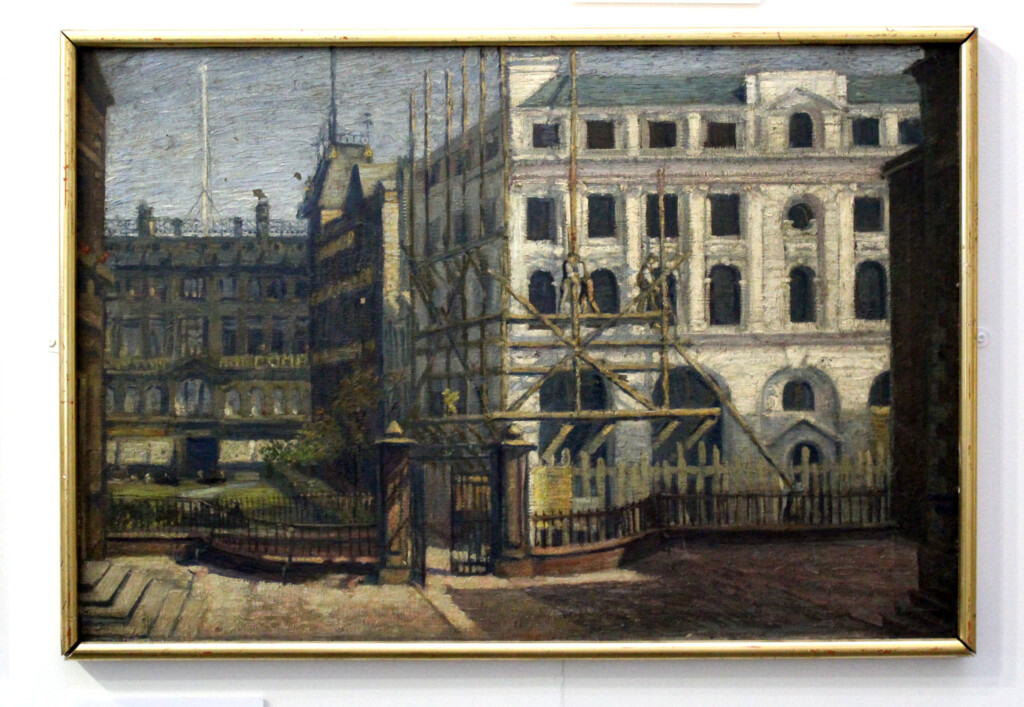
The Bluecoat would go on to become the UK’s first arts centre when it was formally constituted in 1927. Julia left her studio when the building was closed for a major capital refurbishment between 2005 and early 2008, so the Carter Preston family had an engagement with the Bluecoat for almost a hundred years.
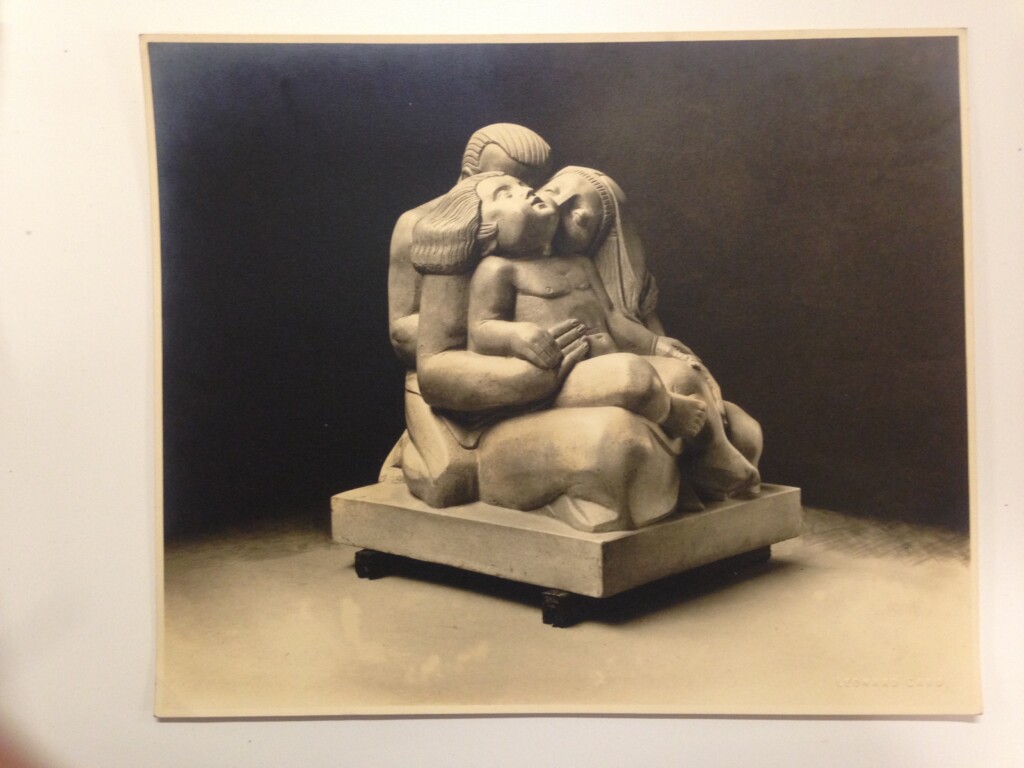
Edward Carter Preston was a sculptor specialising in relief works and is best known for a large series of sculptures for Liverpool’s Anglican Cathedral and for designing the Next of Kin medal awarded to people who died during World War One. In 1911 and 1913, Edward was one of the Sandon artists included in two Post-Impressionist exhibitions staged at the Bluecoat, showing alongside works by Picasso, Matisse, Van Gogh, Cézanne and other leading modernist artists. Of all the Liverpool artists included in these seminal shows, Carter Preston was arguably the one most influenced by the experimental approaches of the Continental artists, as reflected in some little seen drawings and paintings he completed following these shows.
Another Liverpool artist, the sculptor Herbert Tyson Smith, who had visited Paris with Edward before the First World War, was Julia’s uncle. Her sister, Irene, was also an artist, specialising as a silversmith and jeweller.
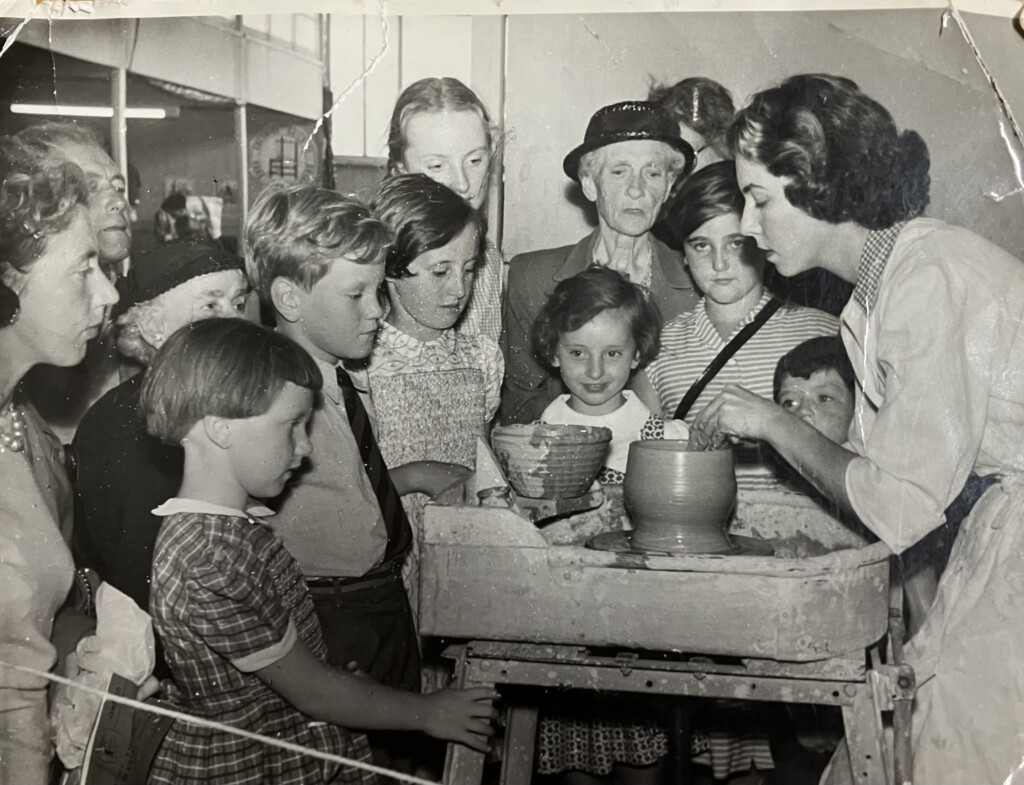
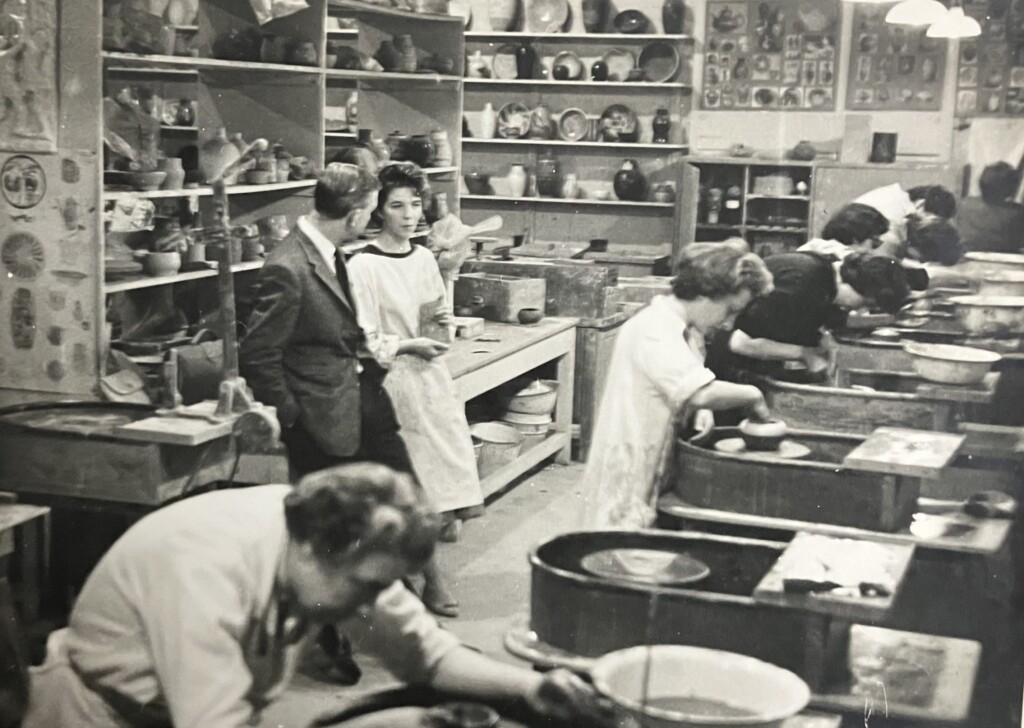
Julia was born in Liverpool on 31 August 1926, the same month as another artist with a strong Bluecoat connection, George Melly, whom she knew. She studied at Liverpool College of Art, specialising in ceramics and gaining her National Diploma in art in 1951. She taught ceramics in various regional colleges, including Liverpool (later integrated into Liverpool Polytechnic), where she became Head of Ceramics.
Her career as a practising artist really took off from the mid-1970s and she was in great demand, commissioned to create pieces for individuals, societies and public organisations, often to commemorate anniversaries or celebrate special occasions. Her work is in several public collections including the Smithsonian Institution in Washington, Ulster Museum, York Art Gallery and the Walker Art Gallery, Liverpool where she had a solo exhibition in 1999. She also exhibited at the Victoria and Albert Museum and was a Wedgwood official lecturer.
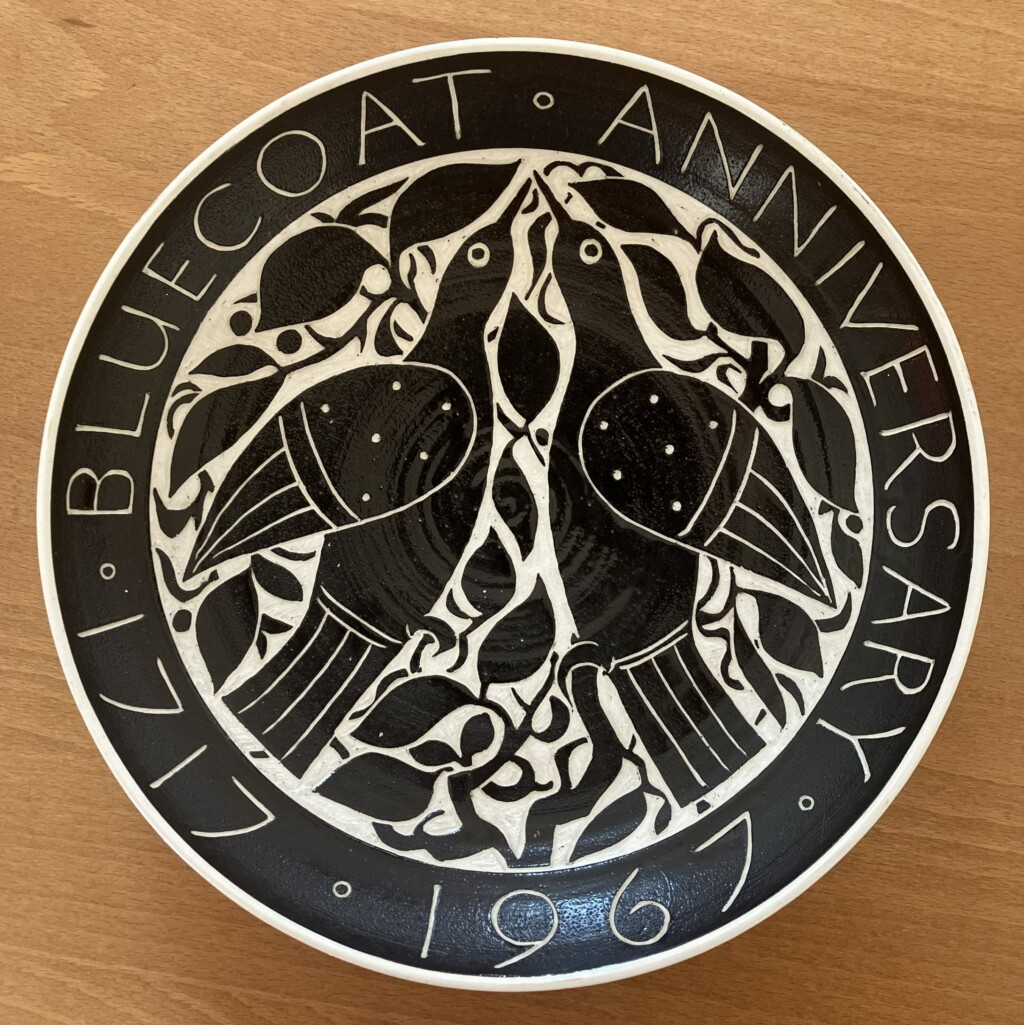
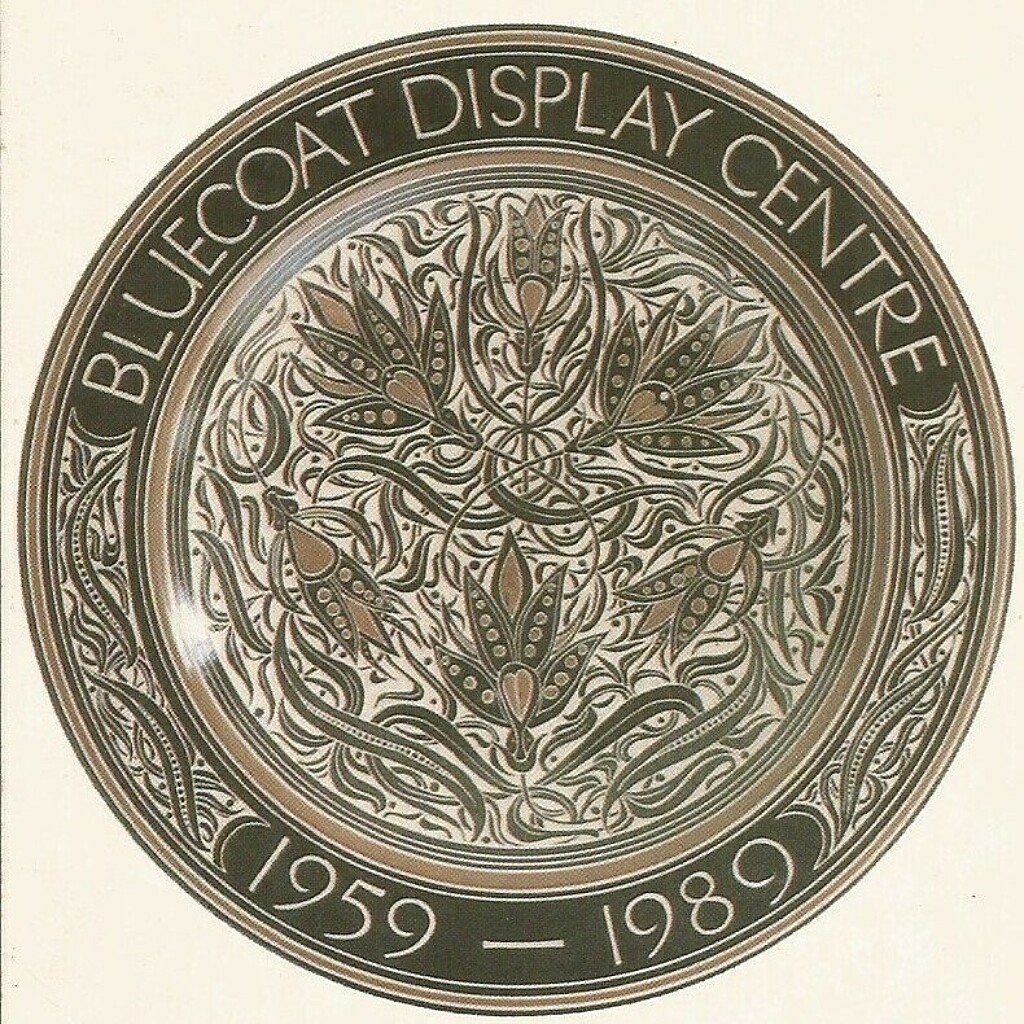
Julia was recognised for the role she played in reviving the technique of sgraffito in the twentieth century. With ancient origins and popularised in Renaissance Italy, sgraffito involves scratching through a coating of clay slip on a surface to reveal an underlying layer, creating contrasting decoration. Her designs were characterised by flowing and intricate patterns based on natural forms that echoed the designs of William Morris and Islamic art. She used sgraffito to brilliant effect, often adding metallic lustre glazes on a wide range of ceramics – bowls, plates, jars, tiles, even a complete dinner service.
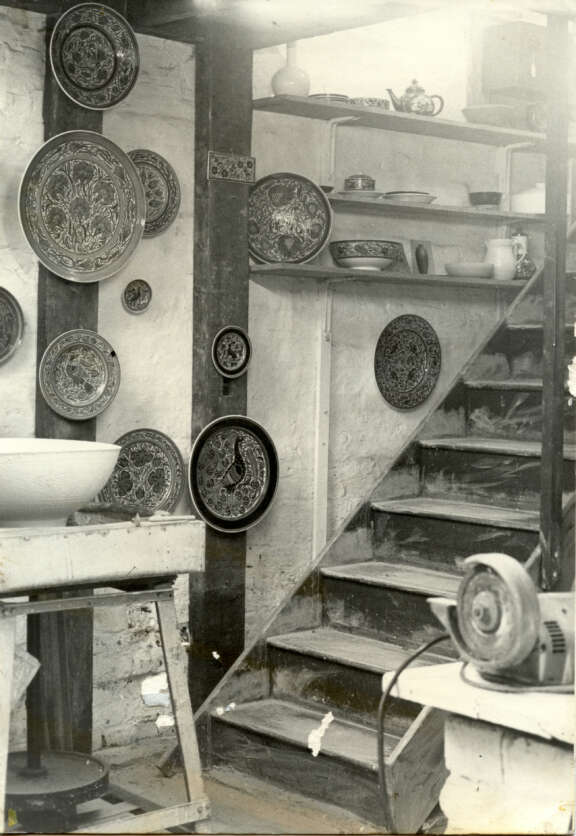
Her pottery studio at the Bluecoat – the space now occupied by Michael Phoenix Violins - was spartan, with bare brick walls painted white and hung with her work, rudimentary shelving, and wooden stairs leading to a small mezzanine where she would work. In the winter, the cold was relieved somewhat by a very basic electric fire, while in the summer months she often sat in the garden to work on her designs, which she would fire in the kiln in her studio.
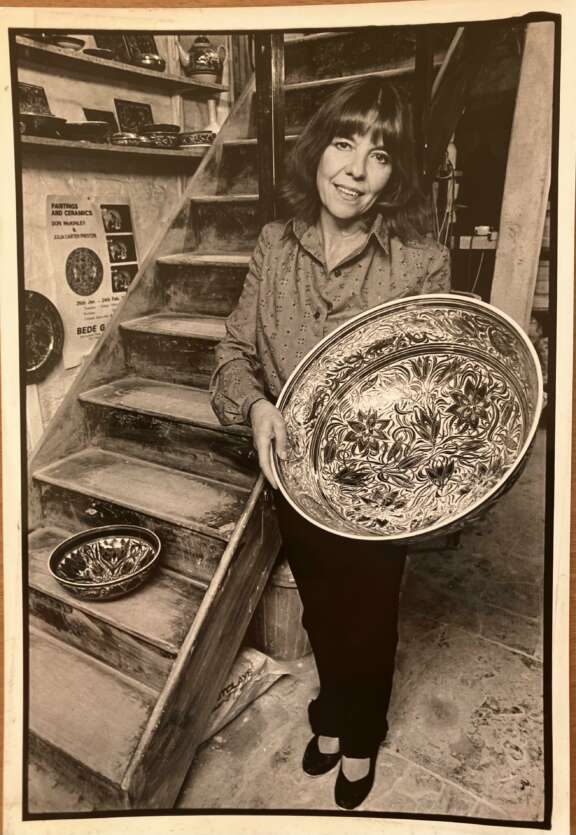
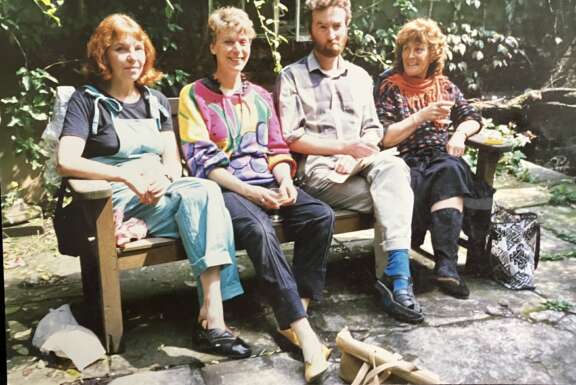
Julia was involved in the Bluecoat’s creative community of tenant artists, participating in their group exhibitions held at venues on Merseyside, and had many artist friends including the sculptor Arthur Dooley and the painter Clement McAleer, whose studio was directly opposite Julia’s across the garden.
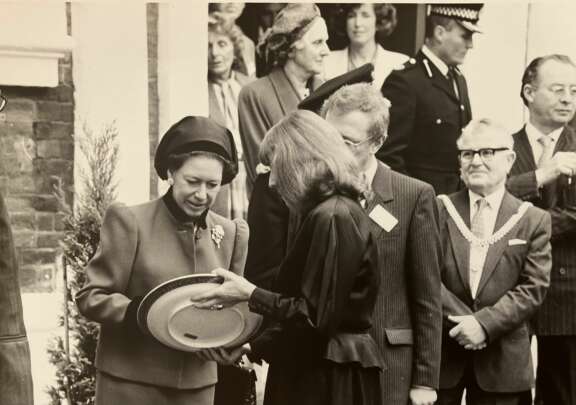
Her commissions for the arts centre comprise two plates for the 250th anniversary of the building in 1967, a plaque for the 50th anniversary of the Bluecoat Society of Arts, the organisation established in 1927 to run the new arts centre, and a plate for its 60th anniversary. This was presented to Princess Margaret on her visit to the Bluecoat in 1987 when she unveiled a commemorative plaque inscribed by another Bluecoat tenant, James McLaughlin that is located to the left of the main entrance.
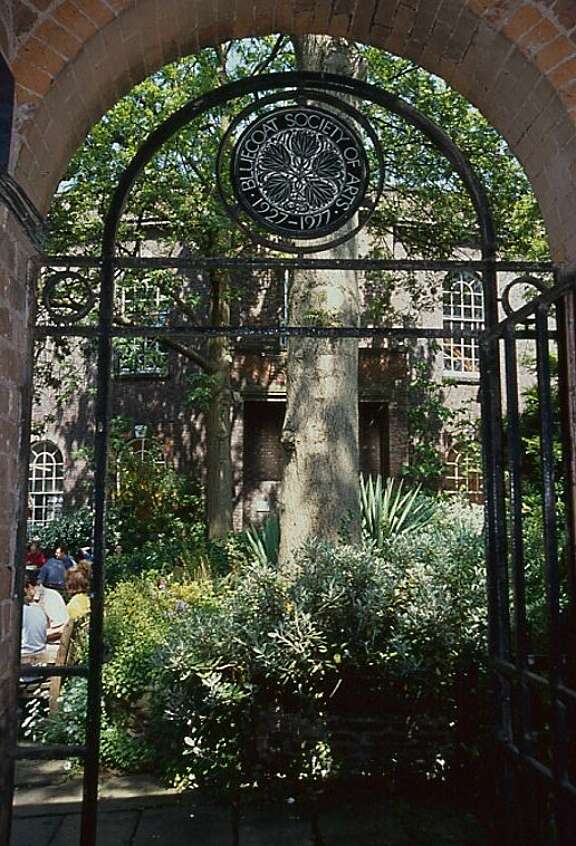
Julia’s 1977 plaque was sited within an iron gate framework at the end of the passageway connecting College Lane to the Bluecoat garden, outside the entrance to the Bluecoat Display Centre where another of Julia’s plaques commemorating thirty years of the contemporary craft gallery is to be found. The Display Centre, our oldest tenant, supported her with numerous exhibitions throughout her career, her ceramics typically selling out almost immediately during the course of each private view.
When the Bluecoat closed for its refurbishment in 2005, Julia was offered a studio by Liverpool Hope University’s Creative Campus where she took up residence. It was here that in 2016 a Foundation was established to promote, preserve and exhibit the work of Julia, Edward and Irene Carter Preston and to encourage public interest in it. The Liverpool Hope Carter Preston Foundation houses its collection on campus and also supports creative education at the university through annual student bursaries.
Julia’s centenary programme this year presents a selection of her work from across her career and reflects a continuing interest in the practice of sgraffito among younger artists. At the Bluecoat there are two exhibitions: Julia at the Bluecoat, an archive display comprising photographs and films together with a selection of commissioned ceramics and portraits of Julia in paint, sculpture and drawing, most of them never publicly exhibited before; and at the Bluecoat Display Centre, Made from Scratch, which brings together some of Julia’s work on loan from local collectors, alongside leading contemporary sgraffito artists, which expands the conversation into surface and pattern, with printmakers and jewellers exploring etching, texture and intricate design. There are also exhibitions at Liverpool Hope University’s Creative Campus, the Walker Art Gallery, and Victoria Gallery & Museum at the University of Liverpool. Full programme details are here.
This programme is coordinated and funded by the Liverpool Hope Carter Preston Foundation.